
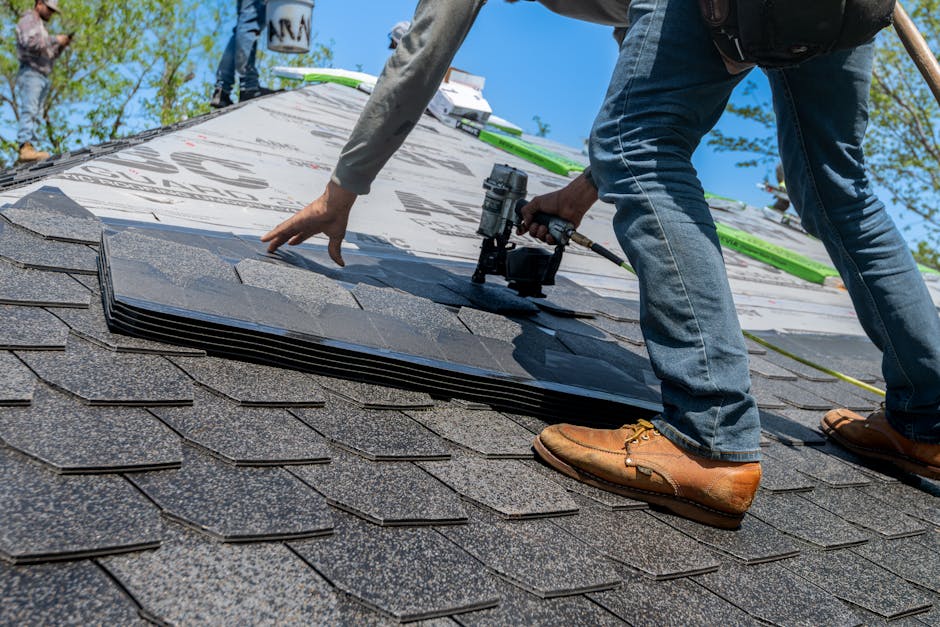
A new roof is one of the largest single home-improvement expenses most households face. Roofing quotes vary by material (asphalt, metal, tile), pitch, square footage, tear-off scope and labor rate — so the same house can receive sharply different prices from local contractors. Below is what to review and the questions to ask before you commit to a roofing project.
What you'll find on this page
- What affects a roofing quote
- Material choices and how each is priced
- Questions to ask local contractors before they bid
- How to compare written roofing quotes
- FAQ — costs and savings
What to know before you get quotes
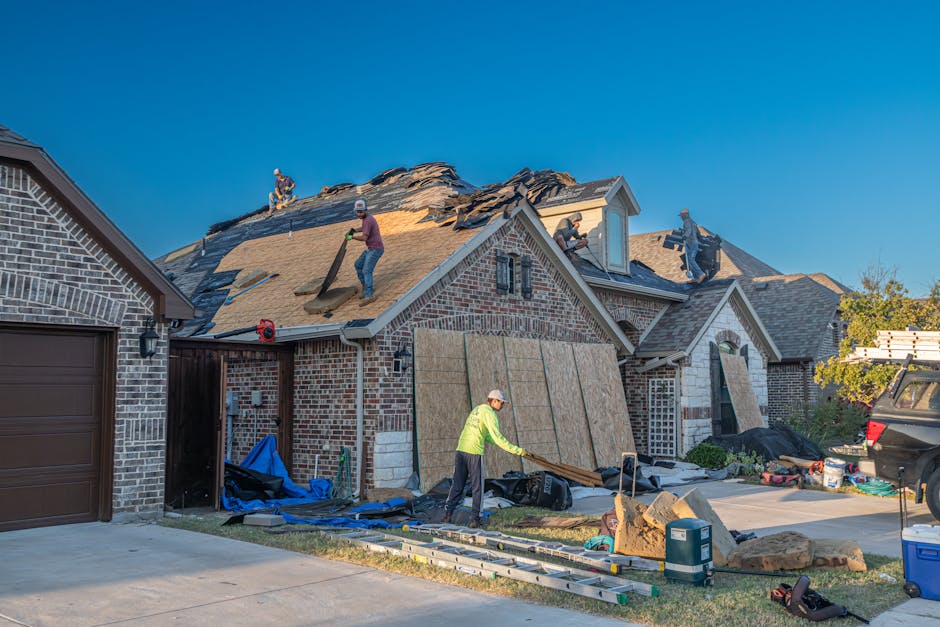
What affects a roofing quote
A roofing quote price moves with roof size (square footage), pitch, material (asphalt three-tab, asphalt architectural, metal standing-seam, tile, slate), number of layers to remove, decking condition, flashing and ventilation work, and the local labor rate. The same house can receive sharply different prices from local roofing contractors, so a written, line-item quote is the only way to compare cleanly.
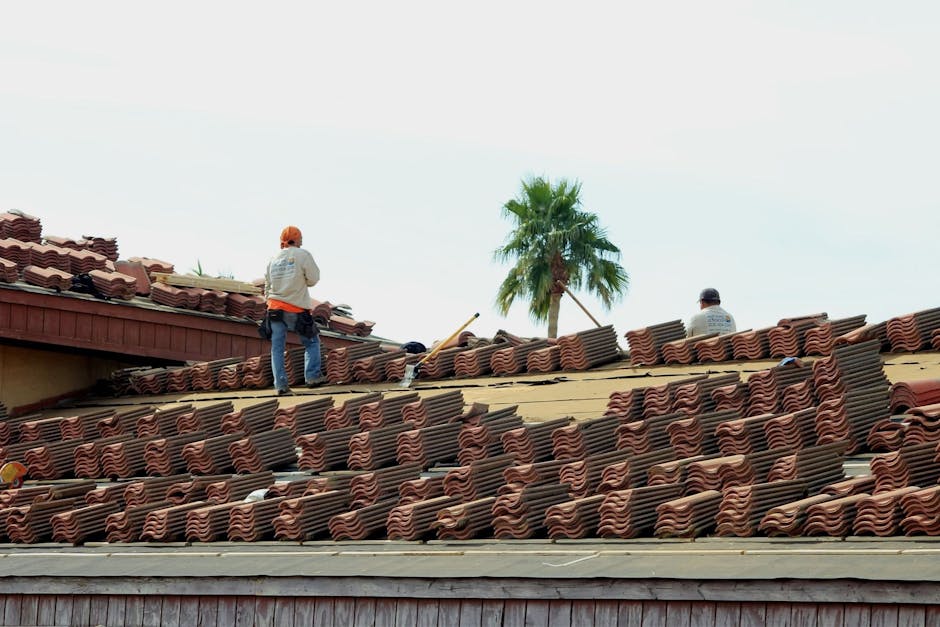
Asphalt, metal, tile — material pricing
Asphalt three-tab is the lowest-cost shingle and the shortest-lived. Architectural asphalt is mid-range. Metal standing-seam carries a higher up-front price and a much longer lifespan. Tile and slate are the highest price and last decades. Ask each local contractor to bid two materials so you can compare cost over the expected lifespan, not just the install price.
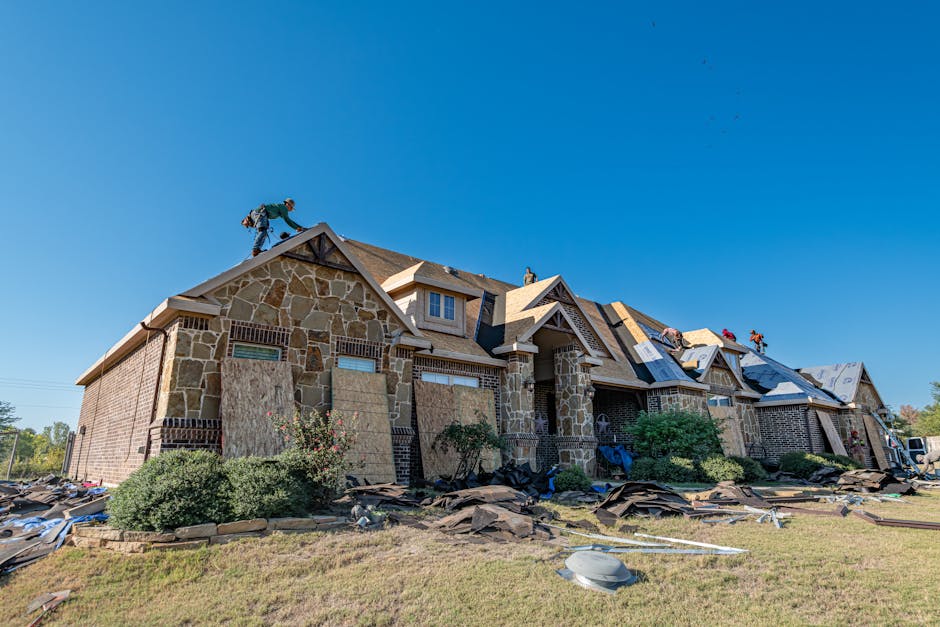
Tear-off scope and decking
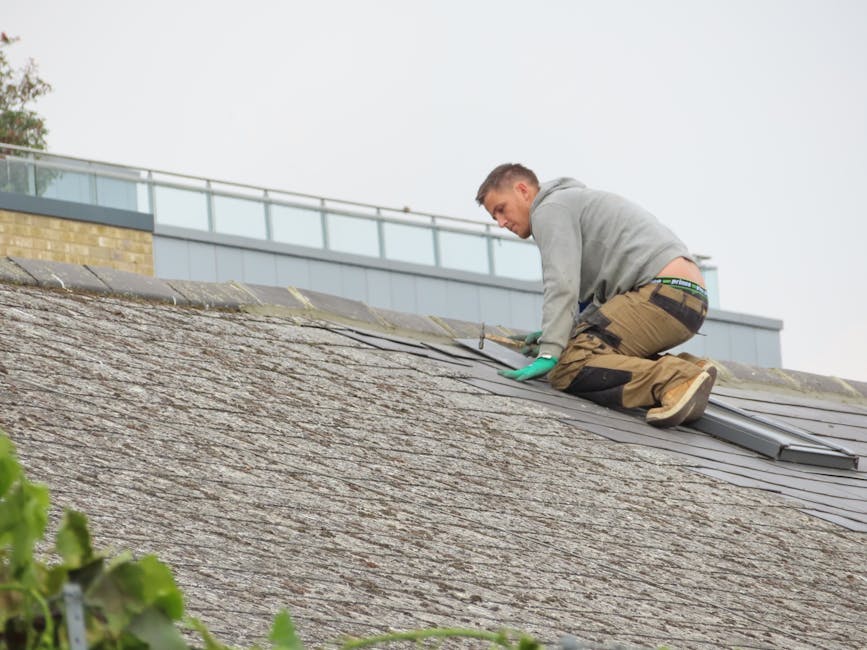
A clean roofing quote spells out how many layers are being torn off, who's hauling debris, and whether decking replacement is priced per board, per square, or as a not-to-exceed allowance. Decking surprises are the most common cost overrun on roofing projects — ask each local contractor how decking issues are handled before the install starts.
Questions to ask each local contractor
Ask each local contractor: what material and warranty they're quoting, whether the underlayment is synthetic or felt, who pulls the permit, how flashings around chimneys and skylights are handled, what the labor warranty length is, and what the payment schedule looks like. Same questions on every quote keep the comparison clean.
How to compare written roofing quotes
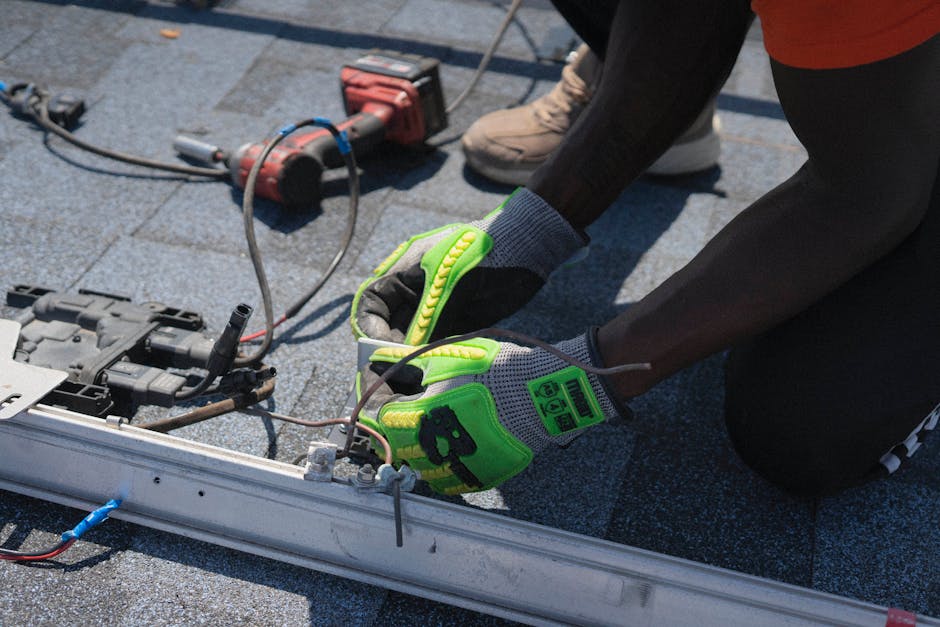
A useful roofing quote shows tear-off, underlayment, shingles or panels, flashing, ridge venting, decking allowance, and cleanup as separate line items. Three written quotes from local contractors generally cover the realistic price range for any one project, and let you see where the differences come from.
Energy and ventilation impact
A well-ventilated attic with proper ridge and soffit venting may potentially lower the cost of cooling the house and extend shingle lifespan. Ask each local contractor whether their roofing quote includes correcting any ventilation issues — sometimes a small added scope here saves cost on the cooling bill for years.
Reading the warranty before you sign
Two warranties matter on a roofing project: the material warranty from the shingle or panel manufacturer, and the workmanship warranty from the installer (shorter, sometimes 1–10 years). Ask each local contractor to spell out the labor warranty in writing, what triggers it, and whether it's transferable to a future buyer.
Frequently asked questions
How many roofing quotes should I get?
Three written quotes from local roofing contractors is a useful baseline. Specify the same material, same warranty, and same decking allowance on every quote so the comparison is clean.
What's the most common roofing-quote surprise?
Decking. A clean quote spells out who's responsible if the decking is rotted under the existing shingles — priced per board, per square, or as a not-to-exceed allowance. Asking up front prevents a surprise change order mid-project.
Quote and price information may change. We update this page monthly. Last update: May 2026. To contact us with feedback, email our team via the contact page.