

Home warranty pricing differs widely by coverage tier and by carrier — and the lowest sticker price is rarely the best value if a plan excludes the systems and appliances you most want covered. Below is the homeowner checklist for comparing home warranty quotes on coverage and cost — and the questions that surface what each plan actually pays for.
What you'll find on this page
- What affects a home warranty quote
- Coverage tiers — basic, mid, comprehensive
- Questions to ask before you sign up
- How to compare written quotes side by side
- FAQ — costs and savings
What to know before you get quotes
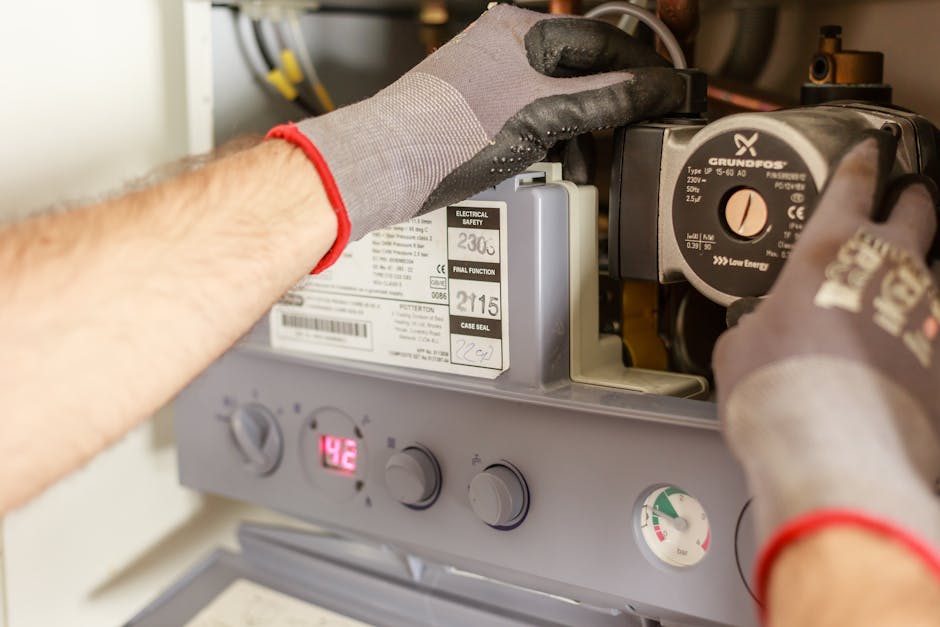
What a home warranty covers
A home warranty is a service contract that helps with the cost of repairing or replacing covered home systems (HVAC, plumbing, electrical) and appliances when they break from normal use. Coverage details differ by carrier and by plan — comparing written quotes on the same plan tier is the best way to see the real price.

Plan tiers — basic, mid, comprehensive
Most carriers offer at least two tiers: a basic plan covering core systems, and a comprehensive plan that also covers major appliances. Premium tiers add roof leaks, pools and well pumps. Ask each carrier to quote two tiers so you can see the cost difference and decide what's worth paying for.
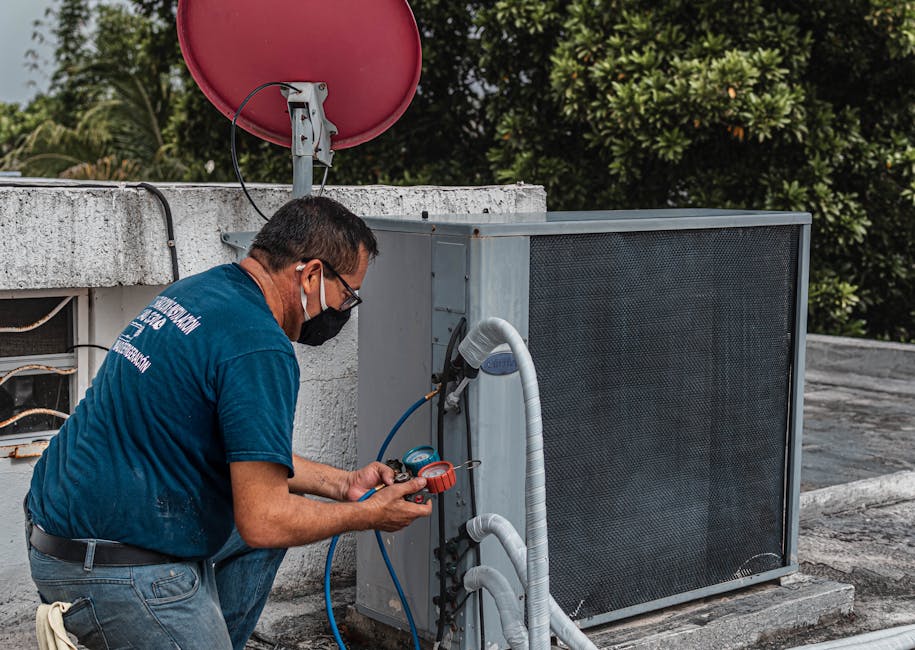
What affects a home warranty quote
Home warranty quote price reflects the plan tier, the service-call fee (sometimes called trade-call fee), the age of the home, optional add-ons, and the contract term. Most carriers run new-customer savings on annual prepay — ask whether monthly vs annual changes the total cost.

Service-call fee — the line item that matters
The service-call fee is what you pay every time a technician comes out. A low premium with a high service-call fee can cost more than a slightly higher premium with a lower fee, depending on how often you use the plan. Compare both numbers on every quote.
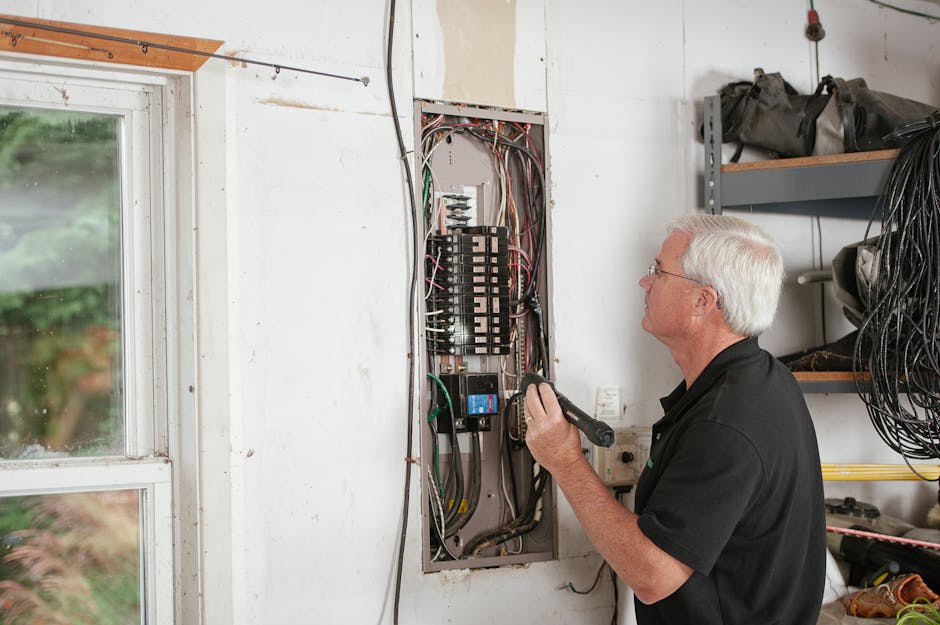
Questions to ask before you sign up
Ask each carrier: what's the contract term, what's the cancellation policy, what's excluded (pre-existing conditions, lack of maintenance, code violations), how the technician is dispatched and how long claims typically take. Same questions on every quote keep the comparison clean.

How to compare written home warranty quotes
Three written quotes from three carriers, all on the comprehensive tier with the same add-ons, give a useful price range. Read the sample contract before signing — what the contract excludes is often more important than what the brochure says it covers.
Add-ons to price separately
Common home warranty add-ons that change the quote price: pool/spa, well pump, septic system, additional refrigerators, and roof-leak coverage. Ask each carrier to itemize each add-on so you can choose the bundle that matches the systems you actually want covered.
Frequently asked questions
Is monthly or annual prepay cheaper?
Annual prepay is usually lower-priced on most home warranty plans, and many carriers run new-customer savings only on the annual option. Ask each carrier to quote both so you can compare the total cost.
What's the most important number on a home warranty quote besides the premium?
The service-call fee. A low premium with a high service-call fee can cost more in a year than a slightly higher premium with a lower service-call fee, depending on how often you use the plan. Compare both numbers.
Quote and price information may change. We update this page monthly. Last update: May 2026. To contact us with feedback, email our team via the contact page.